Easy Ways to Cook Okra for Perfect Flavor & Texture
Okra, often celebrated in Southern cuisine and international dishes alike, is a truly versatile and nutritious vegetable. Rich in fiber and essential nutrients, it can be a hearty anchor for vegetarian meals or a delightful side for meat dishes. However, many home cooks are intimidated by its unique texture, specifically the "slime" factor. If you've ever wondered how to cook okra without that notorious viscosity, you've come to the right place. This comprehensive guide will equip you with easy, foolproof methods to prepare okra that's perfectly tender, crisp, and bursting with flavor, transforming even skeptics into fans.
Demystifying the Okra Slime: The Secret to Perfect Texture
The infamous "slime" in okra is actually mucilage, a natural soluble fiber that becomes viscous when the pods are cut and exposed to moisture. While it's completely harmless and even beneficial, it can be off-putting to some. The good news? It's easily managed! The key to cooking okra without the slime lies in two principles: speed and high heat. Rapid cooking at high temperatures quickly breaks down the mucilage, leaving you with a clean, pleasant texture. This is why many of the best methods for how to cook okra focus on quick exposure to intense heat.
Prepping Your Okra: A Foundation for Success
Regardless of your chosen cooking method, proper preparation is crucial for great results. Starting with fresh, high-quality okra sets the stage for a delicious dish.
- Selection: Look for firm, bright green pods that are free from blemishes or soft spots. Smaller pods are often more tender and less fibrous, offering a superior eating experience.
- Washing: Place fresh okra in a colander and rinse thoroughly under cool tap water. Drain well, gently shaking off excess moisture. Ensuring the okra is as dry as possible before slicing can also help minimize mucilage release.
- Slicing: Using a sharp paring knife, carefully trim and discard the tough stem end. Then, slice each pod crosswise into ½-inch rounds. Some recipes might call for whole pods or lengthwise halves, but uniform ½-inch slices are ideal for most quick-cooking methods, promoting even cooking and slime reduction. Remember, roughly eight ounces of fresh okra will yield about two cups of sliced okra.
Popular Methods: How to Cook Okra for Optimal Flavor & Texture
1. Stovetop Boiling & Microwaving: Quick & Convenient
These methods are fantastic for achieving tender okra quickly, perfect for a last-minute side dish. While they don't offer the crispness of frying or roasting, they're excellent for a soft texture, often seasoned simply.
- Stovetop Boiling:
- After washing and slicing your okra, place it in a saucepan.
- Add just enough water to cover the okra. Season with salt to taste.
- Bring the water to a rapid boil over high heat.
- Cover the pan and cook for 8-10 minutes, or until the okra is tender. Be vigilant to avoid overcooking, as this can ironically increase sliminess. Start checking for doneness at the 8-minute mark.
- Drain well. For added richness, toss with a pat of butter, then season with salt and pepper to your preference. Serve immediately.
- Microwave Method:
- Place sliced okra and two tablespoons of water in a microwave-safe casserole dish.
- Cover the dish tightly and microwave on 100% power (high) for 4-6 minutes, stirring halfway through. Cook until tender.
- Drain thoroughly and, if desired, finish with butter, salt, and pepper. This is a fantastic option when you need to prepare okra in a pinch, offering speed without sacrificing tenderness.
2. Frying: The Ultimate Crispy Okra Experience
When it comes to how to cook okra with maximum flavor and minimal slime, frying is often the gold standard. High heat creates a delightful crisp exterior, sealing in the tenderness. While deep-frying offers consistent results, pan-frying is equally effective and more accessible for most home kitchens.
- Deep-Frying (for the crispiest results):
- Prepare your fresh okra (avoid frozen okra for frying, as its softer texture doesn't crisp as well).
- In a large, heavy pot or deep fryer, heat about 2-3 inches of vegetable oil (like peanut, canola, or sunflower oil) to 350-375°F (175-190°C). A deep-fry thermometer is essential for accuracy to maintain the ideal temperature.
- Lightly dredge sliced okra in seasoned flour, cornmeal, or a combination. For an extra crisp coating, try a buttermilk dip followed by a seasoned cornmeal mixture.
- Working in small batches, carefully add the okra to the hot oil. Avoid overcrowding the pan, as this lowers the oil temperature and can lead to soggy, slimy okra.
- Fry for 3-5 minutes, or until golden brown and crispy.
- Remove with a slotted spoon and drain on paper towels. Season immediately with salt.
- Pan-Frying (Skillet Method):
- Heat a generous amount of oil (about ¼-½ inch deep) in a large cast-iron skillet or heavy-bottomed pan over medium-high heat.
- Lightly coat sliced okra in seasoned flour or cornmeal.
- Add okra in a single layer to the hot oil. Fry, stirring occasionally to ensure even browning, until deeply golden and crisp, about 7-10 minutes.
- Drain on paper towels and season.
3. Roasting & Air Frying: Healthy & Hands-Off Crispness
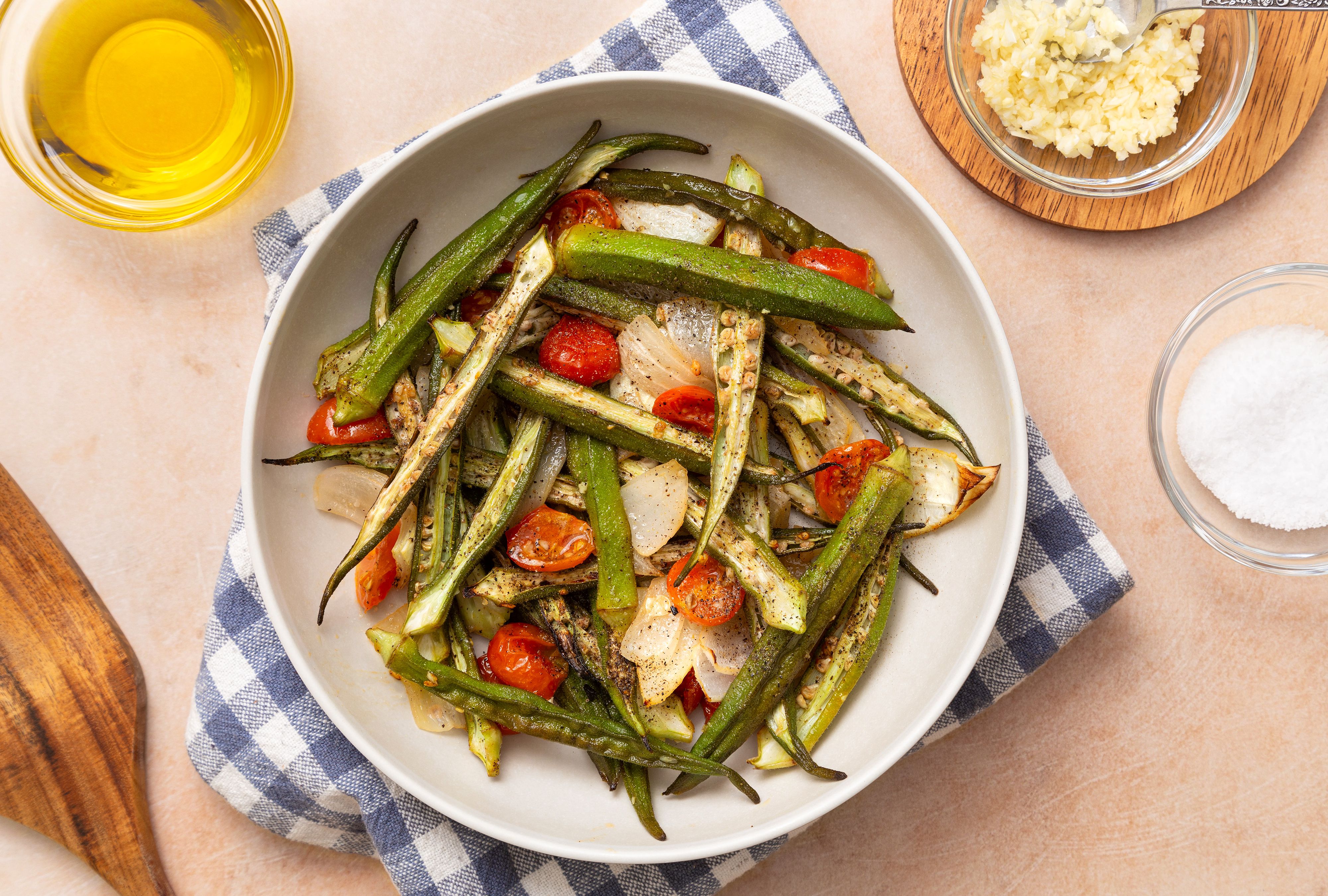
For those seeking a healthier, less oil-intensive way to achieve crispy okra, roasting and air frying are fantastic options. These methods apply high, dry heat, effectively minimizing sliminess and bringing out okra's nutty, earthy flavors without the need for deep submersion in oil.
- Oven Roasting:
- Preheat your oven to a high temperature, typically 400-425°F (200-220°C).
- Toss sliced or whole okra pods with a tablespoon or two of olive oil, salt, pepper, and any desired spices (garlic powder, paprika, cumin work well). Ensure an even coating.
- Spread the okra in a single layer on a baking sheet. Do not overcrowd; use multiple sheets if necessary to ensure proper air circulation and crisping.
- Roast for 15-25 minutes, flipping halfway through, until tender-crisp and lightly browned. Watch carefully to prevent burning.
- Air Frying:
- Preheat your air fryer to 375-400°F (190-200°C).
- Toss okra with a light coating of oil and seasonings.
- Place okra in a single layer in the air fryer basket. Cook in batches if needed to avoid overcrowding.
- Air fry for 10-15 minutes, shaking the basket every 5 minutes, until tender and crispy. This method is incredibly efficient for achieving a fried-like texture with minimal oil.
4. Grilling & Sautéing: Smoky & Flavorful Sides
These methods are excellent for adding depth of flavor and maintaining a pleasant texture, particularly for whole or larger pieces of okra. They leverage direct, high heat to quickly cook the vegetable.
- Grilling:
- Toss whole okra pods or larger pieces with olive oil, salt, and pepper. A marinade of lemon juice and herbs can also add a delightful zing.
- Place directly on a medium-high grill. Grill for 5-8 minutes, turning occasionally, until tender-crisp with attractive char marks. The direct high heat quickly cooks the exterior, reducing sliminess and imparting a wonderful smoky flavor.
- Sautéing:
- Heat a tablespoon of oil in a large skillet over medium-high heat. Cast iron works exceptionally well here.
- Add sliced okra in a single layer. Cook, stirring infrequently at first to allow for browning and caramelization, then more often, for 5-8 minutes until tender and lightly caramelized. High heat and minimal stirring initially help develop flavor and avoid sliminess. This method is perfect for incorporating okra into stir-fries or as a quick side.
Pro Tips for Mastering Okra: Cook Delicious, Slime-Free Okra Every Time
Beyond the specific cooking methods, a few overarching strategies can elevate your okra game and ensure consistently delicious results:
- Don't Overcrowd: This is paramount for methods like frying, roasting, and air frying. Overcrowding lowers the temperature and steams the okra instead of crisping it, inevitably leading to sliminess. Cook in batches if necessary.
- Acidity is Your Friend: A splash of vinegar, lemon juice, or the addition of acidic ingredients like tomatoes (as in a Lebanese Bamya Okra Stew) can help break down the mucilage and further reduce sliminess. Add these towards the end of cooking to preserve their fresh flavor.
- Embrace Seasoning: Okra's mild flavor takes well to a wide array of spices. Don't stop at salt and pepper! Experiment with chili powder, smoked paprika, garlic powder, onion powder, cayenne, or even a dash of curry powder for an exotic twist. Cajun or Creole seasoning blends are also a fantastic match.
- Serve Promptly: Okra is best enjoyed immediately after cooking, especially when fried or roasted, to savor its optimal texture and crispness.
- Exploring Beyond Sides: While excellent as a stand-alone side, okra shines in many dishes. Think gumbos, stews, stir-fries, or even pickled! Learning how to cook okra opens up a world of culinary possibilities.
Conclusion
Okra's reputation for sliminess often overshadows its incredible flavor, nutritional benefits, and culinary versatility. By understanding the simple principles of high-heat, fast cooking and choosing the right method, you can easily transform this misunderstood vegetable into a delicious, perfectly textured dish. Whether you prefer it tender, crispy, or smoky, there’s an easy way to cook okra that's sure to impress and even convert the most skeptical diners. So go ahead, grab some fresh pods, and discover your new favorite way to enjoy this delightful and nutritious vegetable!
