How to Cook Okra: 5 Delicious, Slime-Free Methods
Okra, often hailed as a vibrant summer vegetable, holds a special place in cuisines worldwide, from the American South to parts of Africa, the Middle East, and Asia. Its distinctive, almost eggplant-like flavor and meaty texture make it a fantastic addition to various dishes, serving as a hearty anchor for vegetarian meals or a versatile side for any omnivore's plate. Yet, for many, the very mention of okra conjures up images of a gummy, slimy texture, which can be a significant deterrent. If you've been hesitant to try okra, or if you're an existing fan looking for foolproof methods, you've come to the right place. This comprehensive guide will demystify how to cook okra, ensuring every bite is delicious and, most importantly, slime-free!
Understanding Okra & Battling the Slime
The infamous "slime" in okra is actually mucilage, a natural soluble fiber that thickens when exposed to water, much like the properties found in flax seeds or chia seeds. While this mucilage is incredibly beneficial for digestion and offers a unique texture in dishes like gumbos and stews, it's often undesirable when okra is served as a standalone vegetable or side.
The secret to enjoying okra without the dreaded sliminess lies in one fundamental principle:
cook it fast and hot. High heat quickly breaks down the mucilage, preventing it from becoming overly viscous. This is why methods involving frying, roasting, grilling, or quick sautéing are often celebrated as the best ways to cook okra for a crisp, firm, and entirely slime-free experience. Beyond its texture, okra is a nutritional powerhouse, packed with vitamins C and K, folate, and dietary fiber, making it a healthy and delicious choice for any meal.
Essential Prep: Getting Your Okra Ready
Regardless of your chosen cooking method, proper preparation is crucial for success. Start with fresh, firm, brightly colored okra pods – avoid any that are soft, bruised, or discolored.
- Wash Thoroughly: Place your fresh okra in a colander and rinse it well under cool tap water.
- Drain Completely: Shake the colander vigorously to remove excess water. For best results, spread the okra out on a clean kitchen towel or paper towels and gently pat them dry. Any lingering moisture can hinder browning and contribute to sliminess during cooking.
- How to Cut Okra: Using a sharp paring knife, carefully trim off and discard the woody stem end of each pod. Be sure to remove only the very tip, leaving the pod mostly intact to avoid exposing too much of the mucilage. Unless your recipe calls for whole pods (like grilling), slice each okra pod crosswise into ½-inch thick rounds. For reference, eight ounces of fresh okra typically yields about two cups of sliced okra.
A sharp knife is key here, as a dull knife can tear the okra, releasing more mucilage prematurely.
5 Delicious, Slime-Free Cooking Methods
Ready to transform your okra? Here are five fantastic ways to cook okra that guarantee delightful flavor and texture without the slime. For even more insights into achieving perfect okra every time, delve into
Master Okra: Cook Delicious, Slime-Free Okra Every Time.
1. Roasted Okra: Crispy & Flavorful
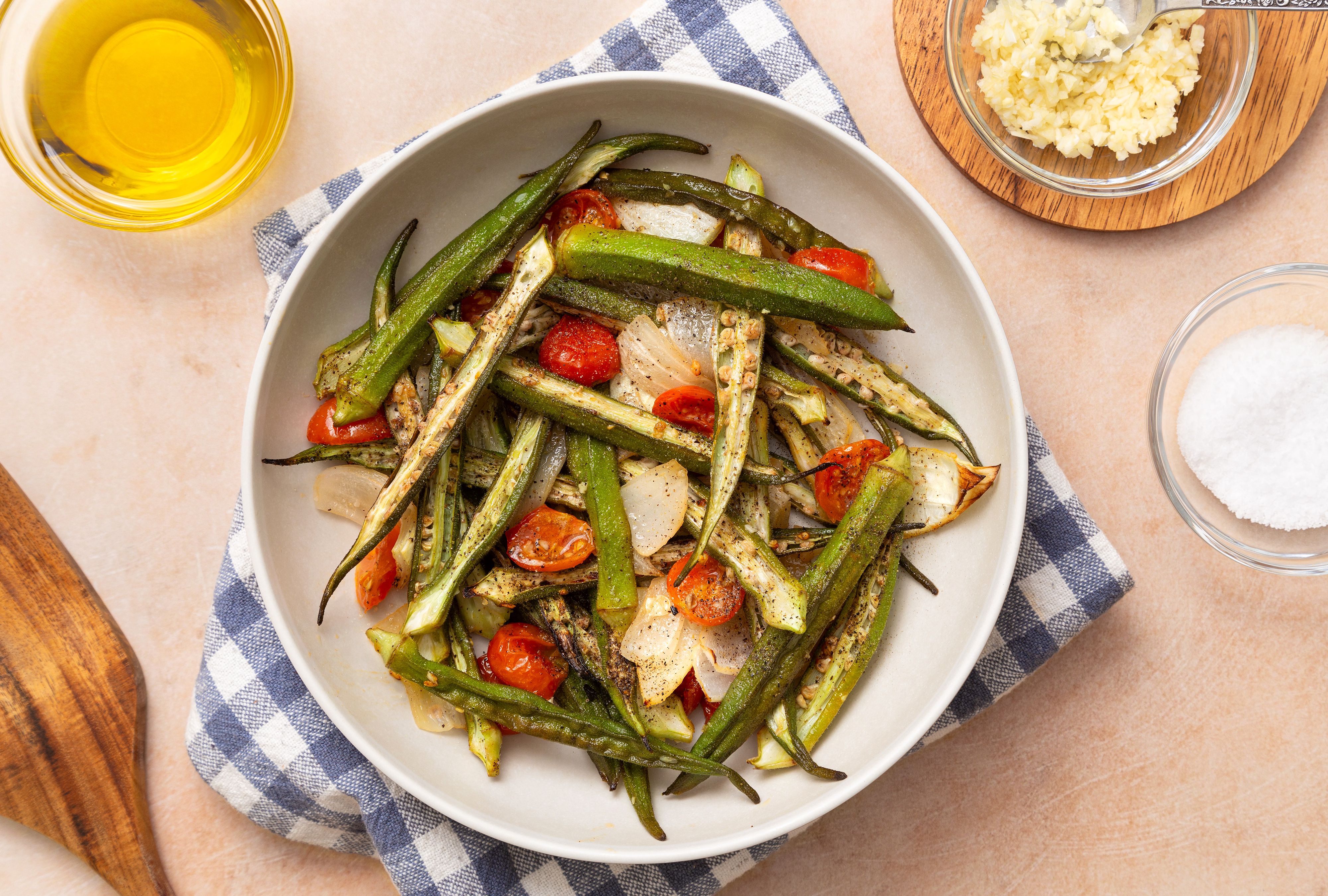
Roasting is a fantastic, hands-off method that achieves a beautiful crisp exterior and tender interior, while effectively eliminating sliminess.
- Preheat your oven to a high temperature, typically between 400°F and 425°F (200-220°C).
- In a large bowl, toss your prepared, sliced okra with 1-2 tablespoons of olive oil or another high-heat oil. Ensure each piece is lightly coated.
- Season generously with salt, black pepper, garlic powder, paprika, or your favorite blend.
- Spread the okra in a single layer on a baking sheet. Do not overcrowd the pan, as this will steam the okra instead of roasting it, leading to sliminess. If necessary, use two baking sheets.
- Roast for 15-25 minutes, flipping or stirring halfway through, until the okra is tender-crisp and lightly browned, with some caramelized edges.
2. Fried Okra: Southern Comfort Classic
When it comes to high-heat cooking, frying is king. This method produces irresistibly crispy okra, a beloved staple in Southern cuisine. While a deep-fryer offers precise temperature control, you can achieve excellent results in a heavy-bottomed pan with a deep-fry thermometer.
- For the best texture, always use fresh okra for frying, as frozen okra tends to be softer.
- Prepare your dredging station: In one shallow dish, whisk an egg with a splash of milk or buttermilk. In another, combine cornmeal, flour, salt, pepper, and any desired spices (cayenne, onion powder).
- Dip each slice of okra first into the egg mixture, then into the cornmeal mixture, ensuring it's fully coated.
- Heat about 2-3 inches of vegetable oil (canola, peanut, or corn oil) in a heavy skillet or deep pot to 350-375°F (175-190°C).
- Carefully add the breaded okra in batches, ensuring not to overcrowd the pan.
- Fry for 3-5 minutes, or until golden brown and crispy, turning occasionally.
- Remove with a slotted spoon and drain on a wire rack lined with paper towels. Season with a pinch more salt immediately.
3. Sautéed Okra: Quick & Flavorful
Sautéing is a quick, versatile method that brings out okra's natural flavor while keeping sliminess at bay through consistent high heat.
- Heat 1-2 tablespoons of olive oil or butter in a large skillet over medium-high heat until shimmering.
- Add your prepared, sliced okra to the hot skillet in a single layer. Again, avoid overcrowding. If you have a large batch, sauté in two rounds.
- Cook, stirring occasionally, for 5-8 minutes. The key is to let the okra sit on the hot surface for a minute or two between stirs to develop a nice sear.
- Season with salt, pepper, and any other aromatics like minced garlic, chopped onions, or chili flakes during the last few minutes of cooking.
- Cook until tender-crisp and lightly browned.
4. Grilled Okra: Smoky & Tender
Grilling imparts a wonderful smoky flavor and a tender-crisp texture to okra, making it an ideal side dish for summer barbecues.
- This method works wonderfully with whole okra pods, but you can also skewer sliced okra for easier handling.
- Toss whole or skewered okra with 1-2 tablespoons of olive oil and season generously with salt, pepper, and perhaps some smoked paprika or cumin.
- Preheat your grill to medium-high heat.
- Place the okra directly on the grill grates or on a grill basket.
- Grill for 5-10 minutes, turning every couple of minutes, until the pods are tender, slightly charred, and have distinct grill marks.
5. Quick Boiling & Steaming: Tender & Simple
While high-heat dry cooking is often preferred for slime prevention, quick boiling or steaming can also yield tender, enjoyable okra when done correctly. The trick is to keep the cooking time short to avoid overcooking and excessive mucilage release. These methods are excellent for a simple, unadorned side dish or as a base for recipes where additional liquid will be added later.
- Stovetop Boiling:
- Place prepared, sliced okra in a saucepan. Add just enough water to barely cover the okra.
- Season with a pinch of salt. Bring the water to a rapid boil.
- Cover the pan and cook for just 5-8 minutes, or until the okra is tender. Start checking at the 5-minute mark to prevent overcooking, which can increase sliminess.
- Drain well immediately. If desired, toss with a pat of butter, then season with salt and pepper to taste.
- Microwave Steaming:
- Place prepared, sliced okra and two tablespoons of water in a microwave-safe casserole dish.
- Cover the dish with a lid or microwave-safe plastic wrap, leaving a small vent.
- Microwave on 100% power (high) for 4-6 minutes, or until tender, stirring once halfway through.
- Drain well and season as desired.
For more innovative and easy methods that cater to both flavor and texture, explore
Easy Ways to Cook Okra for Perfect Flavor & Texture.
Pro Tips for Perfect Okra Every Time
*
Don't Overcrowd: This cannot be stressed enough. Whether roasting, frying, grilling, or sautéing, giving okra enough space ensures it cooks evenly, browns, and avoids steaming, which leads to sliminess.
*
High Heat is Your Friend: Consistent high heat is the ultimate weapon against okra's mucilage. It helps to quickly cook and dry out the surface, preventing sliminess.
*
Fresh vs. Frozen: While fresh okra is generally preferred for its firm texture, especially for frying and roasting, frozen okra can be used in stews, gumbos, or quick boiled applications. Thaw it thoroughly and pat dry if you plan to use it in higher-heat methods.
*
Season Generously: Okra has a mild flavor that benefits from bold seasonings. Think garlic powder, onion powder, paprika, cayenne pepper, cumin, or even a simple squeeze of lemon juice after cooking.
*
Acidity Helps: A splash of vinegar or lemon juice added towards the end of cooking can also help to break down the mucilage, further reducing any sliminess.
Conclusion
Okra is a truly remarkable vegetable that deserves a place in your kitchen, free from its unwarranted reputation for sliminess. By understanding the simple science behind its texture and applying these delicious, high-heat cooking methods, you can transform fresh okra into a tender, crispy, and flavorful delight. So, next time you spot those vibrant green pods at the market, grab a batch and confidently experiment with these techniques. You might just discover your new favorite vegetable side dish!