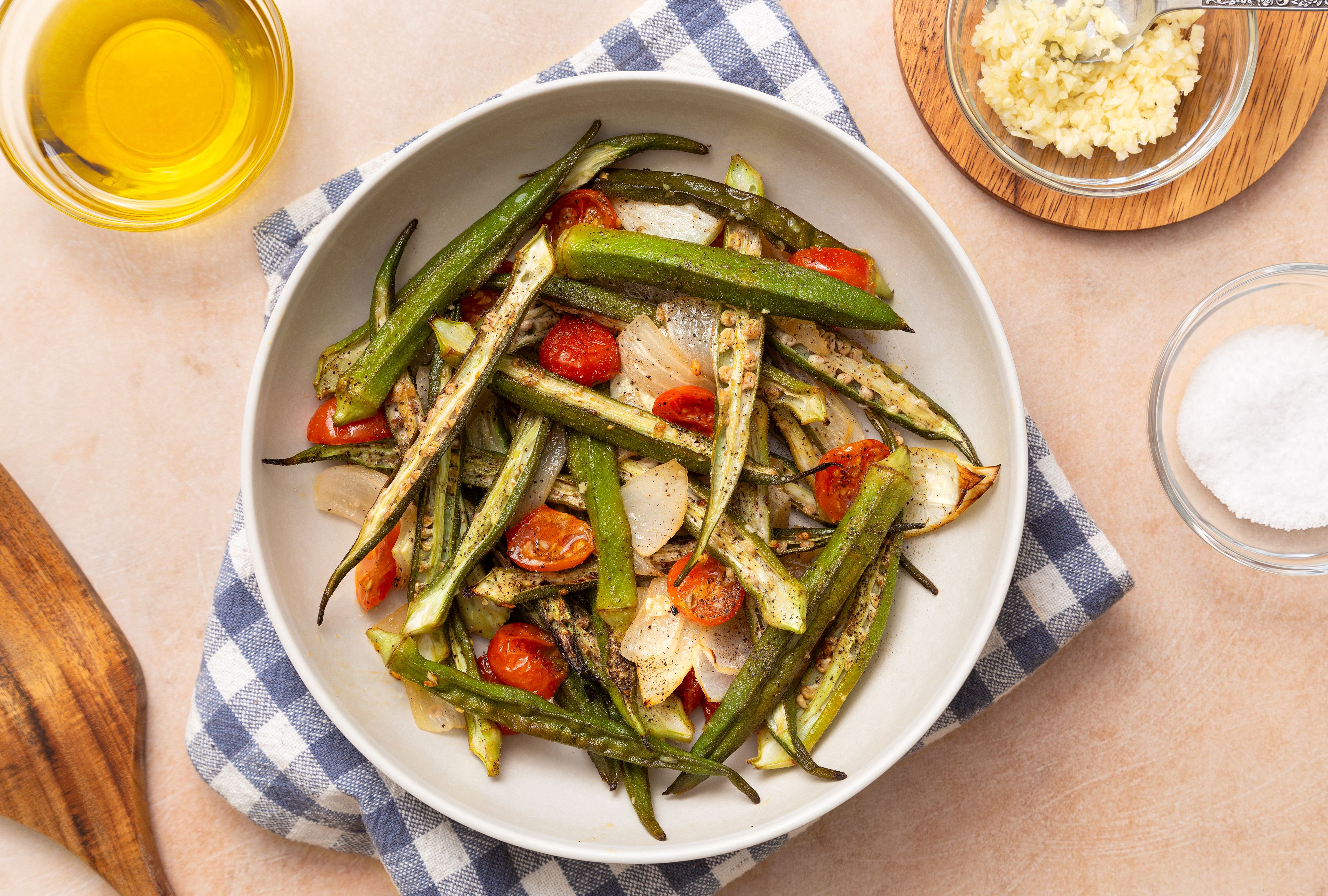
Master Okra: Cook Delicious, Slime-Free Okra Every Time
Okra, with its vibrant green pods and unique flavor, is a cherished ingredient in cuisines worldwide, from the American South to Africa, the Middle East, and Asia. This nutrient-dense, fiber-rich vegetable offers a delightful eggplant-like flavor and a satisfying, meaty texture, making it a fantastic addition to vegetarian and omnivorous meals alike. However, for many, the very mention of okra conjures images of an unappetizing, slimy texture. This "slimy" reputation is perhaps the biggest barrier to its wider appreciation, deterring countless home cooks from exploring its delicious potential.
But what if we told you that the secret to truly enjoying okra lies not in avoiding it, but in understanding how to cook okra properly? The good news is that achieving perfectly cooked, slime-free okra every time is not only possible but surprisingly easy with the right techniques. This comprehensive guide will equip you with the knowledge and methods to transform this humble pod into a culinary star, ensuring that your okra dishes are always vibrant, flavorful, and delightfully free of any unwanted viscosity. Prepare to turn any okra skeptic into an enthusiastic fan!
Unlocking the Secret to Slime-Free Okra
The perceived "slime" in okra is actually a natural mucilage, a soluble fiber that becomes prominent when the pods are cut or cooked incorrectly. While this mucilage is a natural thickener in dishes like gumbos, it can be unwelcome in others. Understanding how to cook okra without the slime boils down to one fundamental principle: **cooking it fast and hot**. High heat and quick cooking times help to break down this mucilaginous compound, preventing it from fully releasing or allowing it to evaporate, resulting in a firm, tender, and distinctly non-slimy texture.
Most successful okra cooking methods leverage this principle. Dry-heat methods like roasting, frying, grilling, and high-heat sautéing are particularly effective. Even boiling, when done correctly and quickly, can yield excellent results. The key is to avoid overcooking, which can intensify sliminess, and to ensure proper preparation before the heat even begins.
Essential Prep Steps for Perfect Okra
Regardless of your chosen cooking method, proper preparation is the first crucial step to ensure delicious, slime-free okra.
How to Select and Store Okra
Before you even think about how to cook okra, start with quality ingredients.
*
Selection: Look for okra pods that are bright green, firm to the touch, and free from blemishes, soft spots, or significant bruising. Smaller to medium-sized pods (2-4 inches) tend to be more tender and less fibrous than larger ones. Avoid pods that look dull, dry, or shriveled.
*
Storage: To maintain freshness, store unwashed okra pods in a paper bag or loosely wrapped in plastic in the crisper drawer of your refrigerator. They typically last for 3-5 days. Washing them before storage can promote spoilage due to excess moisture.
Washing Your Okra
Always wash your okra just before you're ready to cook it:
1. Place the fresh okra pods in a colander.
2. Rinse thoroughly under cool tap water, gently rubbing the pods to remove any dirt or debris.
3. Drain the okra well. For optimal slime reduction, pat the pods *completely dry* with paper towels or a clean kitchen towel. Excess surface moisture can hinder browning in dry-heat methods and contribute to steaming rather than searing.
How to Cut Okra
The way you cut okra can also influence its sliminess. Cutting exposes more of the mucilage, so for some methods, cooking whole pods is preferable.
1. Using a sharp paring knife, carefully cut off and discard the fibrous stem end of each okra pod. Be careful not to cut into the seed cavity if you want to keep the pods whole for grilling or roasting.
2. For most recipes that call for sliced okra, cut each pod crosswise into ½-inch thick rounds. This standard size allows for even cooking. (Note: Eight ounces of fresh okra typically yields about two cups of sliced okra.)
3. For dishes where you want minimal slime, consider cooking the pods whole or slicing them immediately before they hit the hot pan.
Diverse Methods: Your Guide on How to Cook Okra
Now for the exciting part – the cooking! Here are several highly effective methods, each designed to bring out the best in okra while keeping it deliciously non-slimy. For an even deeper dive into these and other techniques, including
How to Cook Okra: 5 Delicious, Slime-Free Methods, explore our comprehensive guides.
1. How to Cook Fried Okra
Frying is arguably one of the most popular and foolproof ways to achieve crispy, slime-free okra. The high, dry heat of oil works wonders.
*
Preparation: Wash and thoroughly dry your okra. Slice into ½-inch rounds.
*
Breading (Optional but Recommended): For classic fried okra, lightly dredge the slices in seasoned cornmeal, flour, or a mix of both. This adds a protective crispy coating that locks in flavor and prevents mucilage from becoming noticeable.
*
Frying: In a large, heavy-bottomed pan or deep fryer, heat about 1-2 inches of neutral oil (like vegetable, canola, or peanut oil) to 350-375°F (175-190°C).
*
Cook: Fry okra in small batches to avoid overcrowding the pan and dropping the oil temperature. Cook for 3-5 minutes, stirring occasionally, until golden brown and crisp.
*
Drain and Season: Remove with a slotted spoon to a paper towel-lined plate to drain excess oil. Season immediately with salt and pepper, or your favorite spices. Fresh okra is preferred over frozen for frying due to its superior texture.
2. How to Cook Roasted Okra
Roasting okra at high temperatures is another excellent method for achieving a tender interior and slightly crispy exterior with absolutely no slime.
*
Preparation: Wash and thoroughly dry whole or sliced okra.
*
Toss: In a bowl, toss the okra with a drizzle of olive oil, salt, pepper, and any desired spices (garlic powder, smoked paprika, cayenne work wonderfully). Ensure all pieces are lightly coated.
*
Roast: Spread the seasoned okra in a single layer on a baking sheet. Avoid overcrowding, as this will steam the okra instead of roasting it.
*
Temperature & Time: Roast in a preheated oven at 400-425°F (200-220°C) for 15-25 minutes, flipping halfway through, until tender, slightly browned, and crisp at the edges.
3. How to Cook Okra on the Grill
Grilling is fantastic for whole okra pods, imparting a smoky flavor and a beautiful char with zero sliminess.
*
Preparation: Wash and dry whole okra pods. Trim just the very tip of the stem without cutting into the pod.
*
Season: Toss the whole pods with olive oil, salt, and pepper.
*
Grill: Place the okra directly on a hot grill over medium-high heat. Cook for 5-10 minutes, turning occasionally, until the pods are tender-crisp and have attractive grill marks. A grill basket can be used if you prefer to slice the okra.
4. How to Cook Sautéed Okra
Quick sautéing in a hot pan is a versatile method that produces tender-crisp okra perfect for side dishes or adding to stir-fries.
*
Preparation: Wash, dry, and slice okra into ½-inch rounds.
*
Heat: Heat a large skillet or wok over medium-high heat with a tablespoon or two of oil (like olive, avocado, or coconut oil).
*
Sauté: Add the sliced okra to the hot pan in a single layer. Do not overcrowd; work in batches if necessary. Sauté for 5-7 minutes, stirring infrequently to allow for some browning, until the okra is tender-crisp and any potential sliminess has evaporated.
*
Flavor Boost: In the last minute or two, you can add minced garlic, chopped onions, or other aromatics.
5. How to Cook Okra by Boiling (with caution)
While dry-heat methods are generally preferred for slime reduction, boiling *can* be effective if done correctly and quickly.
*
Preparation: Wash and slice okra as directed.
*
Boil: Place okra in a saucepan. Add just enough water to barely cover the okra, and a pinch of salt. Bring the water to a rapid boil.
*
Cook Quickly: Cover the pan and cook for precisely 8-10 minutes, or until the okra is just tender.
*
Crucial Step: *Immediately* drain the okra thoroughly. Overcooking or letting it sit in the water will increase sliminess. If desired, toss with a little butter, salt, and pepper to taste. This method is best when you need very tender okra for a stew or gumbo base, where the mucilage can then act as a thickener.
6. How to Cook Okra in the Microwave (for convenience)
For a quick and easy side, the microwave offers a simple solution, though it won't yield crispy results.
*
Preparation: Wash and slice the okra.
*
Microwave: Place the okra and two tablespoons of water in a microwave-safe casserole dish.
*
Cover & Cook: Cover the dish and microwave on 100% power (high) for 4-6 minutes, or until tender, stirring once halfway through.
*
Drain: Drain any remaining liquid well. If desired, toss with a little butter, salt, and pepper.
Discover more
Easy Ways to Cook Okra for Perfect Flavor & Texture that will transform your kitchen.
Conclusion
Gone are the days of slimy, unappetizing okra! By understanding the simple principle of cooking fast and hot, and implementing the proper preparation and cooking techniques outlined above, you can confidently approach this versatile vegetable. Whether you prefer the satisfying crunch of fried okra, the smoky char of grilled pods, or the tender crispness of roasted slices, there's a method here for everyone. Embrace the journey of mastering okra, and you'll unlock a world of delicious, nutritious, and undeniably slime-free culinary possibilities. Give these methods a try, and prepare to fall in love with okra all over again!